
What You Can and Can’t Put in a Dumpster (Complete Guide for Massachusetts)
Introduction: Understanding What You Can and Can’t Put in a Dumpster
When people rent a dumpster, the most common question they ask is what you can and can’t put in a dumpster. Every project creates different materials, and disposal rules in Massachusetts limit what can safely go into a dumpster rental. Knowing the rules ahead of time saves you money, prevents overload fees, and keeps your cleanup simple. This guide explains exactly what you can put in a dumpster and which items you can’t put in a dumpster, so you can load your container with confidence.
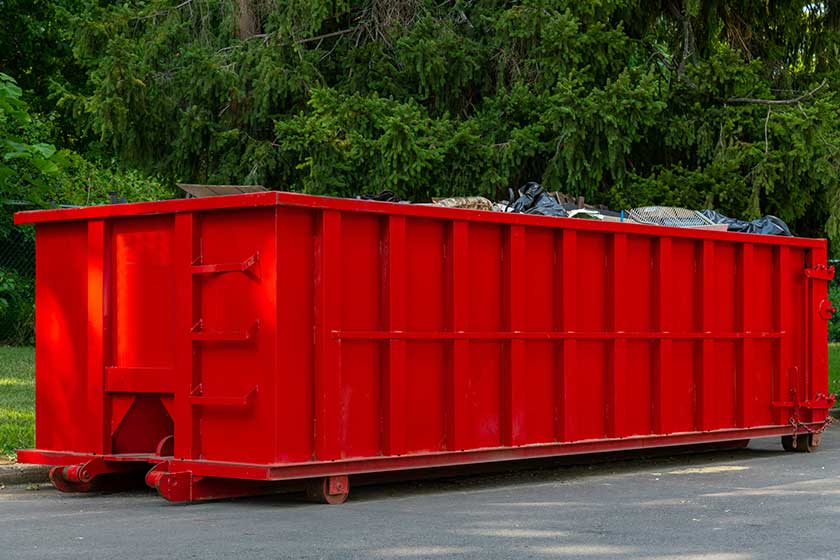
Allowed Materials: What You Can Put in a Dumpster
Many projects generate items that are perfectly safe for landfill disposal. These materials are accepted at most Massachusetts transfer stations and are ideal for home cleanouts and construction projects.
Household Junk You Can Put in a Dumpster
Household junk makes up most dumpster loads. You can safely dispose of:
- Old furniture
- Mattresses and box springs
- Toys and clothing
- General trash
- Rugs and carpets
- Small appliances
- Kitchen items
- Home clutter from basements, attics, and garages
These items are lightweight, non-hazardous, and approved for disposal. For more info, see:
👉 https://zoomdisposal.com/dumpster-rental/
Construction Debris Allowed in a Dumpster
Contractors and homeowners often ask what can go in a dumpster during renovation. Most construction debris is fully acceptable, including:
- Wood and lumber
- Drywall and plaster
- Flooring, tile, carpet, and trim
- Cabinets and countertops
- Windows and doors
- Roofing shingles and underlayment
- Siding and exterior materials
These materials work well in 10-, 15-, and 20-yard dumpsters.
👉 10-yard
👉 15-yard
👉 20-yard
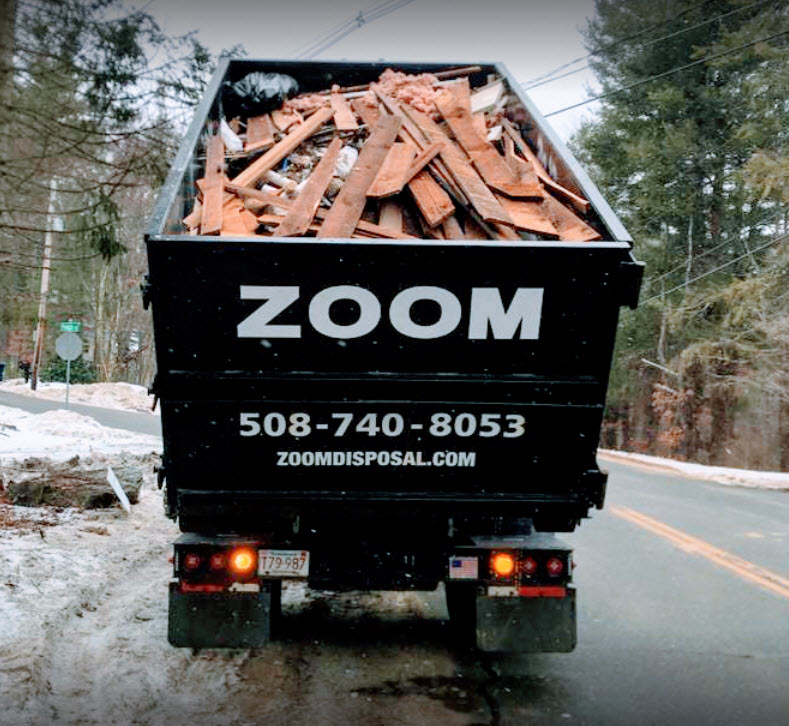 Yard Waste You Can Put in a Dumpster
Yard waste is another category that fits the rules for what you can put in a dumpster. You can load:
- Leaves
- Branches
- Brush
- Grass clippings
- Shrubs and small stumps
- Storm debris
These materials are natural and safe for disposal or composting sites.
Heavy Materials Allowed in a Dumpster
Some projects involve heavy debris. These materials are allowed, but they belong in smaller dumpsters:
- Clean concrete
- Bricks
- Asphalt
- Stones
- Pavers
- Masonry debris
Heavy loads are best placed in 10- or 15-yard containers to avoid weight overages.
 Restricted Materials: What You Can’t Put in a Dumpster
To protect landfills and the environment, some materials must never go into a dumpster. Massachusetts enforces strict rules, and violations may trigger extra fees or rejected loads.
Hazardous Waste You Can’t Put in a Dumpster
These items are always prohibited:
- Wet paint
- Stains, varnish, sealants
- Solvents and adhesives
- Household chemicals
- Pesticides
- Cleaning agents
- Gasoline, diesel, and oils
- Automotive fluids
These pose environmental and safety risks, so they require special handling.
Batteries and Electronic Waste
You cannot dispose of:
- Car batteries
- Lithium batteries
- Rechargeable batteries
- TVs and monitors
- Laptops
- Hard drives
- Microwaves
- Refrigerators or AC units (Freon)
Electronics contain hazardous metals and must be recycled properly.
Propane Tanks and Pressurized Containers
These items are never allowed in a dumpster:
- Propane tanks
- Helium tanks
- Gas cylinders
- Fire extinguishers
Even empty tanks can explode under pressure.
Medical Waste and Sharps
Anything considered medical waste must be disposed of through a medical waste program. This includes:
- Needles
- Sharps
- Medications
- Biological waste
Dirt, Soil, and Ledge Without Approval
These materials are extremely heavy and require pre-approval. While some dirt is allowed, large loads must be scheduled in advance to avoid overweight charges.
 Why It Matters to Know What You Can and Can’t Put in a Dumpster
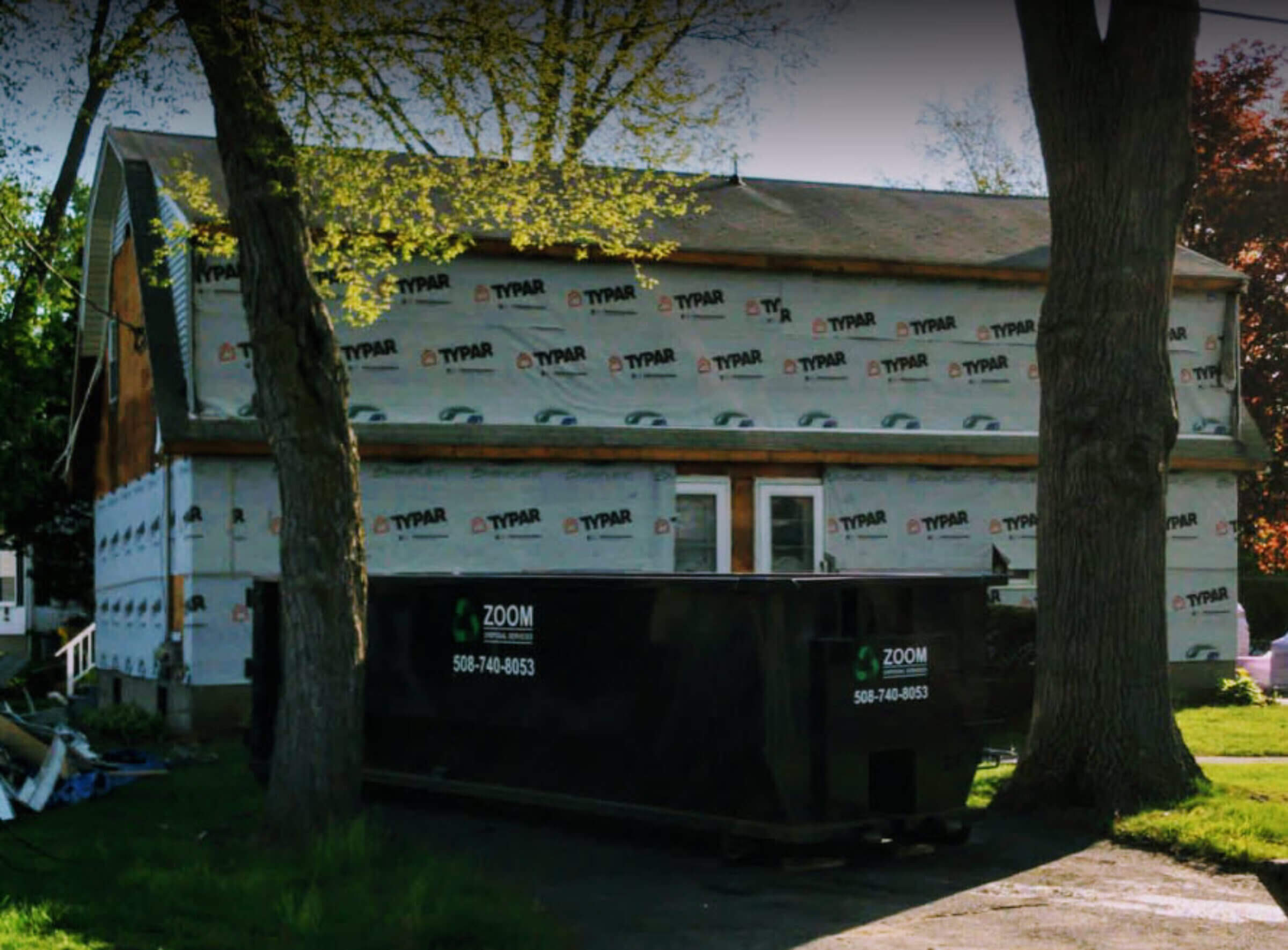
Following disposal rules keeps landfill operations safe and avoids contamination. Understanding what you can and can’t put in a dumpster prevents extra fees, protects the environment, and keeps your cleanup running smoothly. When in doubt, Zoom Disposal can verify any questionable item before you load it.
How to Check an Item Before Tossing It
If you’re unsure whether a material is allowed, just ask. Text us a photo or send a quick message. We confirm most items in under a minute.
👉 https://zoomdisposal.com/contact/
Choosing the Right Dumpster Size
Different materials require different containers. Here’s a quick guide:
- 10-yard dumpster: Heavy debris, concrete, brick
- 15-yard dumpster: Medium renovations, flooring, roofing
- 20-yard dumpster: Large cleanouts, demolition work
- 30-yard dumpster: Full property cleanouts and large jobs
See all sizes here:
👉 https://zoomdisposal.com/dumpster-rental/
 Service Areas for Dumpster Rentals
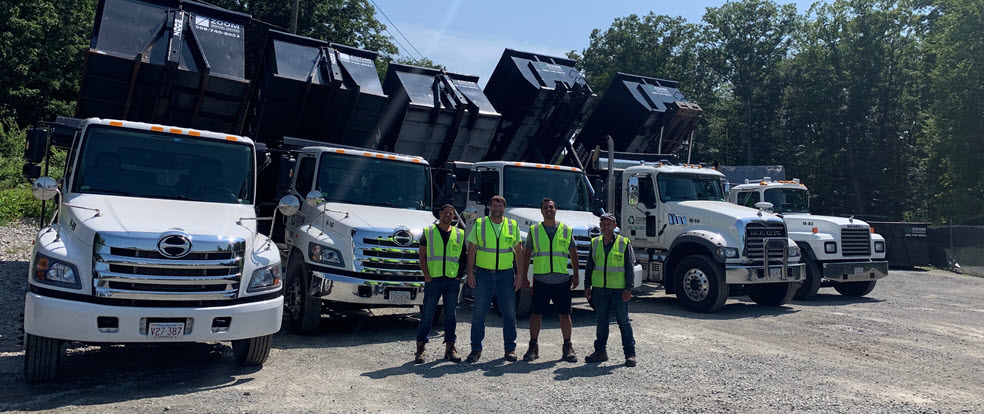
Zoom Disposal delivers to dozens of Massachusetts towns, including Framingham, Sudbury, Wayland, Wellesley, Natick, Marlborough, Ashland, Needham, and more.
👉 Full list: https://zoomdisposal.com/service-area/
Conclusion: The Simple Way to Know What You Can and Can’t Put in a Dumpster
Now you understand exactly what you can and can’t put in a dumpster for your project. If you have a questionable item, simply ask. We help homeowners, contractors, and businesses load their dumpsters safely and avoid hidden charges. When you’re ready for a dumpster rental, Zoom Disposal makes the process fast, easy, and affordable.