The Differences Between a Regular Dumpster and a Roll-Off Dumpster
Dumpsters may look similar, but they serve different purposes. Regular dumpsters work best for ongoing trash collection, while roll-off dumpsters handle large, temporary projects. Understanding the differences helps you choose the right option for your home, business, or jobsite.
What Is a Regular Dumpster?
A regular dumpster is a small, sturdy container designed for routine waste pickup. You often see these behind restaurants, apartment buildings, and small businesses. They come in set sizes, usually between 2 and 8 yards.
Regular dumpsters stay in one location, and a trash truck empties them on a regular schedule. They work well for steady, everyday trash that doesn’t pile up quickly.
What Is a Roll-Off Dumpster?
A roll-off dumpster is a larger container used for short-term projects. It has an open top, tall sides, and wheels on the bottom. A special truck rolls it into place and picks it up when your project is done.
Roll-off dumpsters come in sizes like 10, 15, 20, and 30 yards. They hold big amounts of debris, which makes them ideal for home cleanouts, renovation work, roofing projects, and construction jobs.
Key Differences Between the Two
Although both containers help with waste removal, they function very differently. Here are the main ways they differ:
1. Size and Capacity
Regular dumpsters hold small amounts of weekly trash. Roll-off dumpsters store far more debris. Because of this, roll-off containers work better for large or messy projects.
2. Pickup and Service
A trash truck empties regular dumpsters on a set schedule. In contrast, roll-off dumpsters get delivered and removed only when you need them. This gives you more flexibility during your project.
3. Design and Structure
Regular dumpsters have lids and short sides. Roll-off dumpsters have higher walls and an open top. Many roll-off units also include a back door, so you can walk in heavy items.
4. Best Use Cases
Regular dumpsters support routine waste needs for apartments, offices, and small stores. Roll-off dumpsters help with temporary cleanups like renovations, roofing work, estate cleanouts, and demolition.
When Should You Choose a Regular Dumpster?
Choose a regular dumpster if you:
- Need long-term trash service
- Produce steady, predictable waste
- Have limited space
- Run a business or rental property
These containers keep your trash under control week after week.
When Should You Choose a Roll-Off Dumpster?
A roll-off dumpster works best if you:
- Plan a renovation
- Need to clear large amounts of junk
- Have yard waste, roofing debris, or construction materials
- Need a temporary waste solution
Roll-off dumpsters give you enough space to load debris without rushing.
Which One Is Right for You?
The right choice depends on your needs. Regular dumpsters support daily trash. Roll-off dumpsters support short-term projects that produce more debris than a weekly trash pickup can handle.
Final Thoughts
Both dumpster types play important roles in waste management. When you compare your needs with their features, the choice becomes clear. If you want ongoing service, choose a regular dumpster. If you want flexibility and space for a big project, choose a roll-off dumpster.
Design and Construction
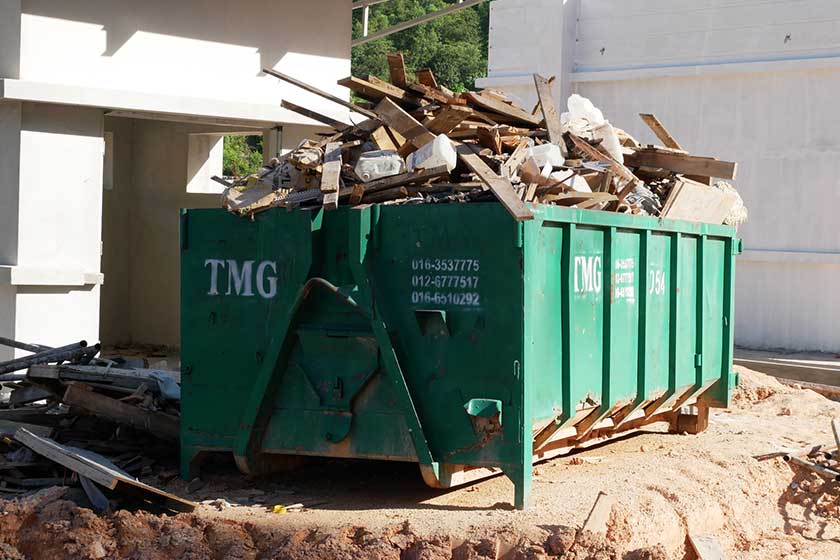
Roll-off dumpsters are heavy-duty containers that can handle large volumes of waste. They are open-topped and come in various sizes, typically ranging from 10 to 40 cubic yards.
What makes them particularly unique is their construction. They are designed to be transported by roll-off trucks that can tilt to unload the dumpster at the desired location. Once the dumpster is full, the truck returns, re-attaches the container and rolls it back onto the truck for disposal.
Regular dumpsters, in contrast, are smaller and not designed for temporary, large-scale waste removal. These are permanent fixtures at a facility or residence and are designed with lids to comply with public health standards and prevent pest infestation. Their sizes can vary but are generally much smaller than roll-off dumpsters, usually not exceeding 8 cubic yards.
Usage and Flexibility
The flexibility of roll-off dumpsters makes them ideal for a variety of projects that generate a lot of debris. These include construction sites, large home renovation projects, and other industrial applications where temporary large-scale waste disposal is needed.
They are particularly beneficial in situations where you need to dispose of materials like construction debris, large furniture, and other bulky items.
Conversely, regular dumpsters are suited for everyday waste disposal needs. They are commonly found at commercial properties, apartment complexes, and other locations that generate regular amounts of waste.
Their smaller size and regular pickup schedule make them unsuitable for large projects but perfect for ongoing, smaller-scale waste management.
Waste Type and Disposal
Roll-off dumpsters are designed to accommodate a wide variety of waste types, including construction debris, large appliances, and significant amounts of yard waste. They can handle heavier and bulkier items, which would be inappropriate for regular dumpsters. The open-top design makes it easy to throw in large items without size constraints.
Regular dumpsters are primarily used for general waste and recycling materials. This includes everyday items like bags of trash, office waste, and general household garbage. Their design considers regular and frequent disposal, with most equipped to handle the typical waste produced by the residents or businesses nearby.
Logistical Considerations
Choosing the right dumpster rental for your project involves understanding the logistics involved with its use, including delivery, placement, and pickup.
Roll-off dumpsters require a fair amount of space for placement as well as for the delivery truck to maneuver and deploy the container. This means you need to have a suitable, accessible spot on your property or project site where the truck can roll the dumpster off the back.
Planning for a roll-off dumpster also involves considering the ground conditions; it must be sturdy enough to handle the weight, especially when the dumpster is full. Furthermore, you need to coordinate pickup logistics in advance, as the removal process requires the same amount of space and access as delivery.
Regular dumpsters are typically smaller and are placed in a permanent spot. They are usually serviced by standard garbage trucks that lift and empty the dumpsters without needing to move the entire container.
This makes them more suitable for locations with limited space. Since they are serviced regularly, there is less need to coordinate specific pickup times as long as the area remains accessible on the designated trash collection days.
Cost Considerations
The cost of renting a roll-off dumpster generally includes delivery, rental period, pickup, and disposal fees. Prices can vary based on the size of the dumpster and the length of the rental.
They tend to be more expensive than regular dumpsters due to their size and the flexibility they offer for large projects. However, for temporary projects that generate a lot of waste, they can be more cost-effective than hauling trash yourself or trying to fit all your waste into smaller, regularly serviced dumpsters.
Regular dumpsters are typically less expensive over the long term because they are serviced as part of a routine schedule, which spreads the cost out over many pickups. This option is more budget-friendly for businesses or residences that generate a consistent amount of waste that fits within the capacity of the dumpster.
Environmental Impact
Because they can handle large volumes of waste and facilitate the recycling of materials like construction debris, roll-off dumpsters can help reduce the overall environmental impact of large projects. By consolidating large amounts of waste and reducing the frequency of pickups, they can also minimize the carbon footprint associated with waste collection.
Regular dumpsters contribute to environmental sustainability by encouraging frequent waste removal and recycling. Their smaller size and regular servicing ensure that waste is managed continually, which can be crucial for preventing overflow and reducing litter, which can have negative environmental consequences.
Choosing the Right Dumpster
Whether your project is large or small, temporary or ongoing, understanding the differences between roll-off and regular dumpsters will help you choose the most effective waste management. Each type of dumpster serves a unique purpose and offers specific benefits that can enhance the efficiency and sustainability of your project.
Zoom Disposal Services specializes in providing tailored waste management solutions that fit your specific needs. Whether you require a roll-off dumpster rental for a large construction project or a regular dumpster for ongoing waste management at your business or residential complex, we can help.
Our team of experts will work with you to determine the best waste management strategy, taking into account your project scale, budget, and environmental concerns.